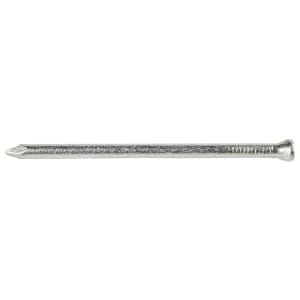
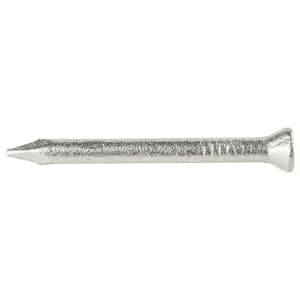
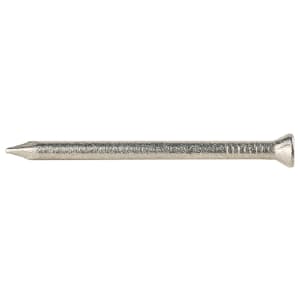
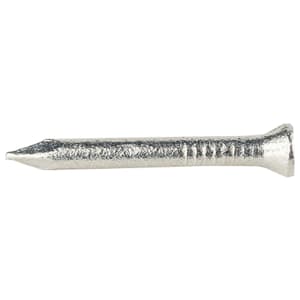
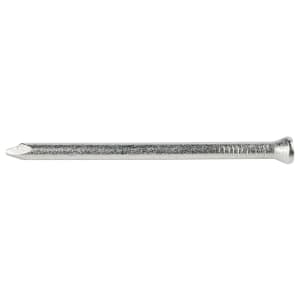

Designed specifically for joining wood to brick and concrete, our heavy-duty bright masonry nails offer immaculate strength and density. No matter the project you’re working on, whether it's restoring your skirting or installing shelving, these robust nails can penetrate hard materials, ensuring maximum longevity and endurance.
Ensure secure, long-lasting and reliable fixings when dealing with wood, brick, blockwork and concrete with our masonry nail collection. These nails are made out of hardened steel and have been galvanised to resist the elements for proper strength and durability in all conditions. Tough, easy to use and essential for many DIY tasks.
Explore our entire range of nails, screws and adhesives to ensure you’re using suitable fixings for your specific application.
Masonry nails are specifically used for fixing items into robust materials like brick, stone and concrete – with assurance they won’t bend when penetrating such materials. They’re most often used when installing timber battens, skirting boards, cable clips, insulation boards and other applications where standard nails or screws don’t offer enough grip.
To drive masonry nails into your material of choice, you need to:
If the material is very hard, you can use a masonry drill, and wall plugs or screws instead.
Not always, especially if the material is softer like certain blocks or bricks. Otherwise, pilot holes can make some installations easier and more efficient, reduce cracking surfaces, and help the nail penetrate with accuracy.
Yes, it’s possible for masonry nails to be hard to remove as they’re specifically designed to provide a strong grip in hard materials. It’s recommended you use a claw hammer or nail puller and apply steady pressure to ensure you don’t damage the surface of the masonry.