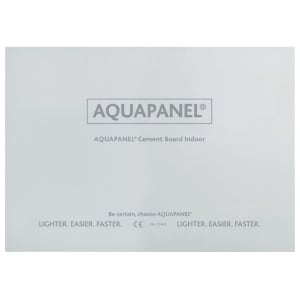
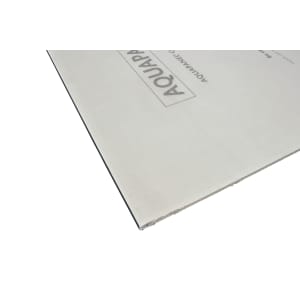
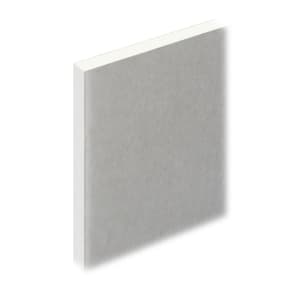
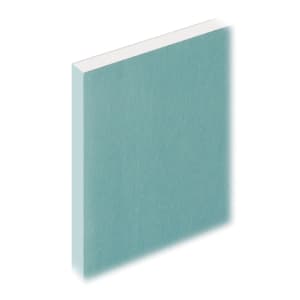
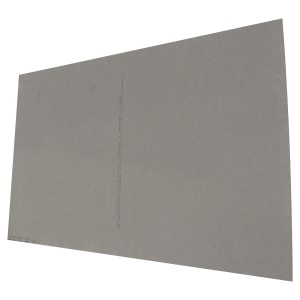
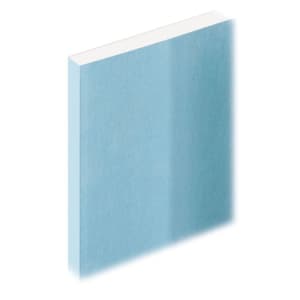
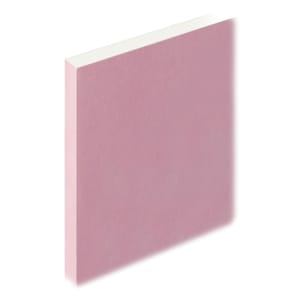
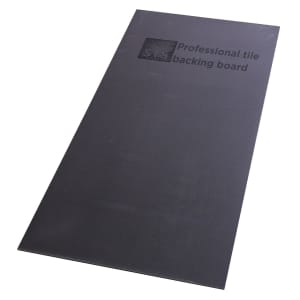
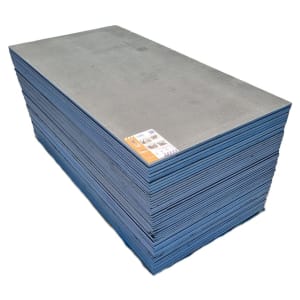
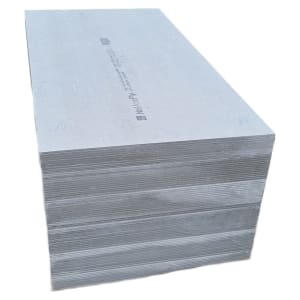
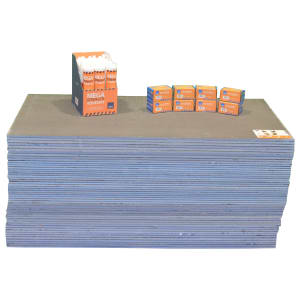
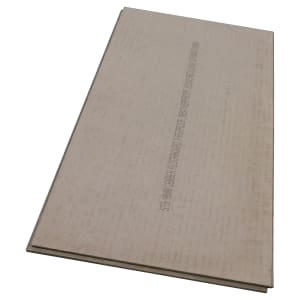
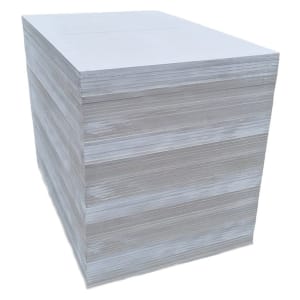
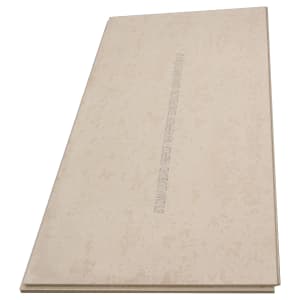
Whether you’re taking on a new building project, renovating your whole home or redecorating a single space, plasterboard is a vital part of creating robust, durable surfaces. Our range of drywall plasterboard products vary in thickness and sizes, making installation a breeze for any professional or DIY project. From soundproof boards ideal for living spaces to waterproof plasterboards for your kitchen, find everything you need to give your partitions the right support.
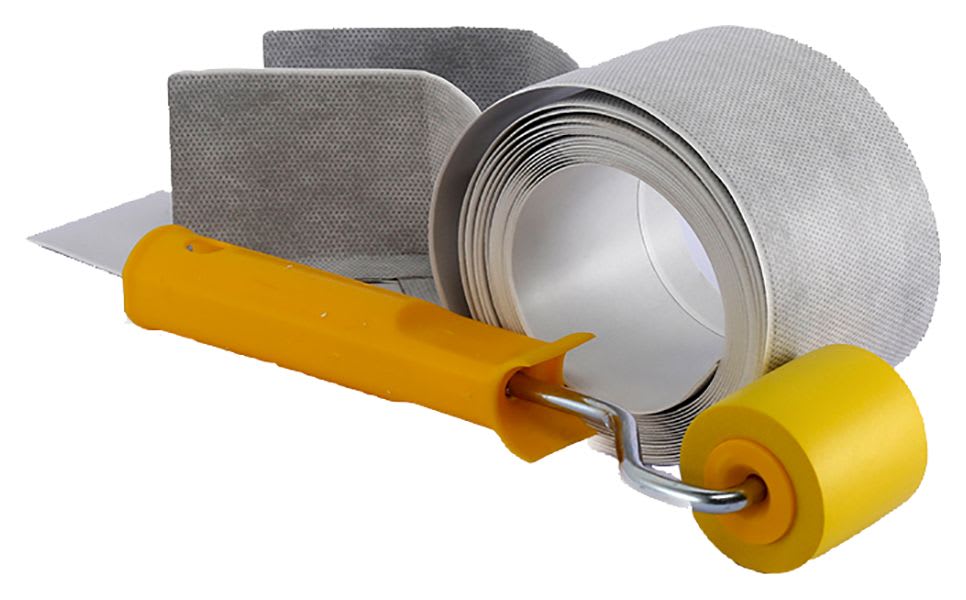
Don’t forget to check out our plasterboard adhesive and plasterboard tools to achieve a stable structure. Or, for small fixes and filling in holes, take a look at our range of ready-to-use plaster to easily get your next project started.
You can also check out our range of plasterboard fixings, including plasterboard wall plugs, to ensure your boards stay sturdy for years to come.
How thick is plasterboard?
Plasterboard is available in a variety of thicknesses, with Wickes plasterboard ranging from 6mm to 27mm. However, the standard thickness for plasterboard in the UK is 12.5mm.
Can you paint plasterboard?
Yes, you can paint straight onto plasterboard, however it must be properly prepared to ensure a smooth, professional look. This includes lightly sanding the plasterboard before using a primer pain tto create a suitable undercoat. For the best finish on plasterboard, you should use a primer suitable for use with emulsion paint.
How do you cut plasterboard?
To neatly cut plasterboard, start by using a tape measure and pencil to measure and mark the desired cut on your board. Next, carefully use a utility knife to score the plasterboard, using a ruler or spirit level to ensure a straight cut.
Once the board has been cut to around a third of its depth, flip it around and snap it at the point where you cut the line. Once the board has snapped, simply use your knife to cut the backing paper.
Whether you’re taking on a new building project, renovating your whole home or redecorating a single space, plasterboard is a vital part of creating robust, durable surfaces. Our range of drywall plasterboard products vary in thickness and sizes, making installation a breeze for any professional or DIY project. From soundproof boards ideal for living spaces where noise is a problem to waterproof plasterboards for yourkitchen, find everything you need to give your partitions the right support.
Don’t forget to check out our plasterboard adhesive and plasterboard tools to achieve a stable structure. Or, for small fixes and filling in holes, take a look at our range of ready-to-use plaster to easily get your next project started.
FAQs
What size does plasterboard come in?
At Wickes, our plasterboard ranges in thickness, length and width. You can find 6 x 900 x1200mm up to 1200 x 800 x 12mm in our collection.
Can you buy small pieces of plasterboard?
Yes, we have several smaller sized plasterboard pieces available for smaller projects or patch repairs, including 900 x 1800mm.
What types of plasterboard are there?
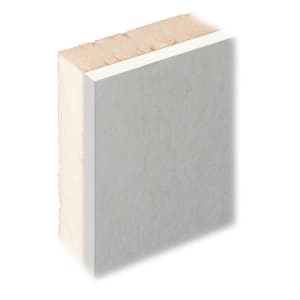
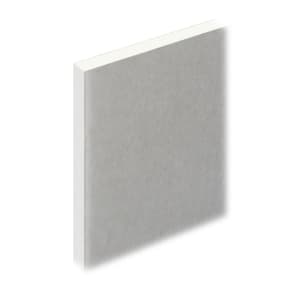
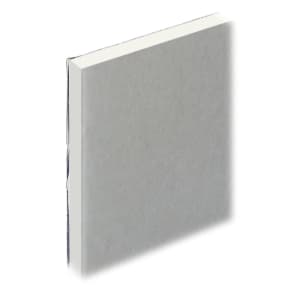
Plasterboard comes in several variations, including standard, sound-resistant, moisture-resistant, fire-resistant, thermal and impact-resistant. Which you opt for should depend on the location it’s being used and how it’ll be used.
How thick is plasterboard?
Plasterboard is available in a variety of thicknesses, with Wickes plasterboard ranging from 6mm to 27mm. However, the standard thickness for plasterboard in the UK is 12.5mm.
Can you paint plasterboard?
Yes, you can paint straight onto plasterboard, however it must be properly prepared to ensure a smooth, professional look. This includes lightly sanding the plasterboard before using a primer pain tto create a suitable undercoat. For the best finish on plasterboard, you should use a primer suitable for use with emulsion paint.
How do you cut plasterboard?
To neatly cut plasterboard, start by using a tape measure and pencil to measure and mark the desired cut on your board. Next, carefully use a utility knife to score the plasterboard, using a ruler or spirit level to ensure a straight cut.
Once the board has been cut to around a third of its depth, flip it around and snap it at the point where you cut the line. Once the board has snapped, simply use your knife to cut the backing paper.