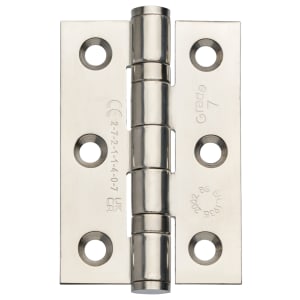
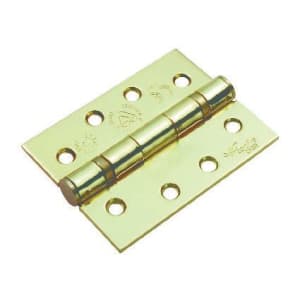
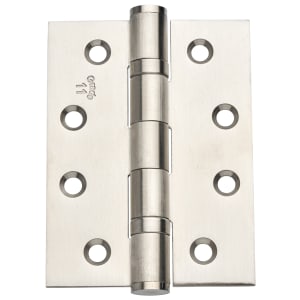
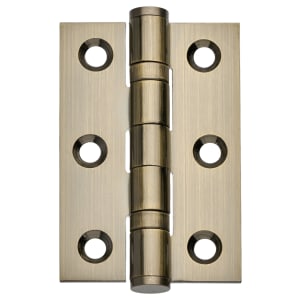
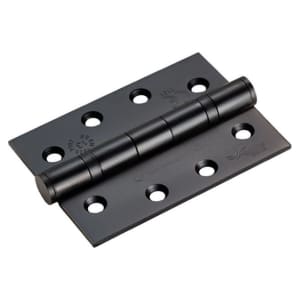
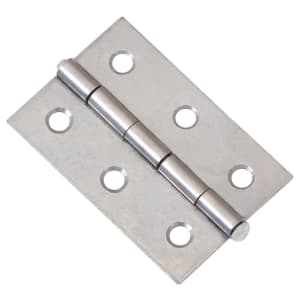
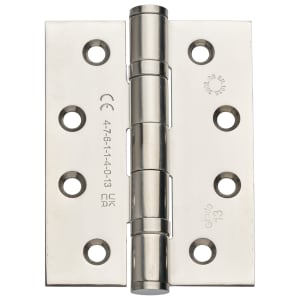
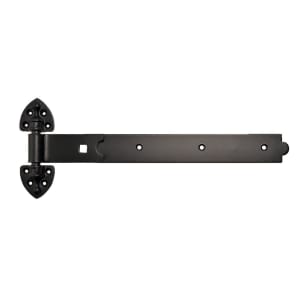
Door Hinges
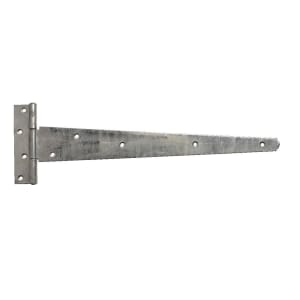
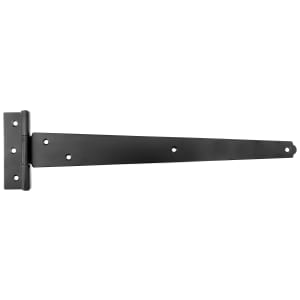
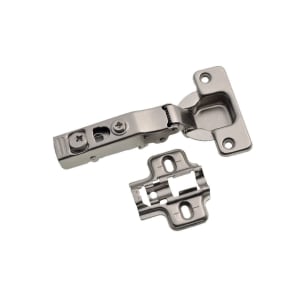
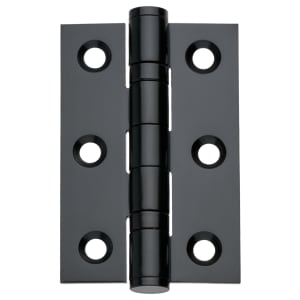
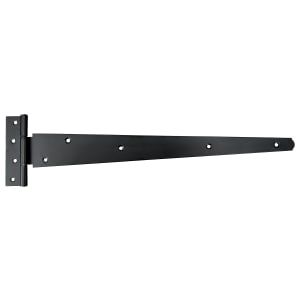
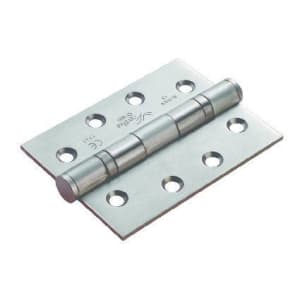
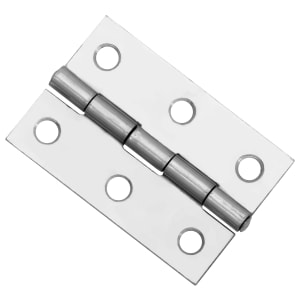
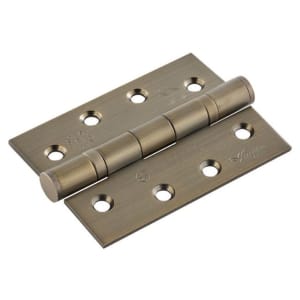
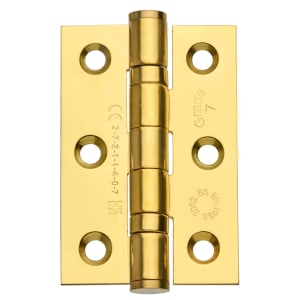
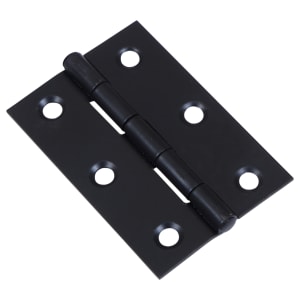
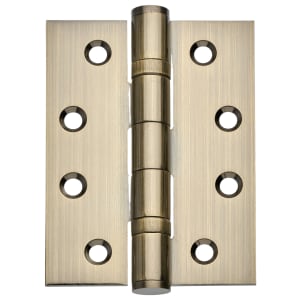
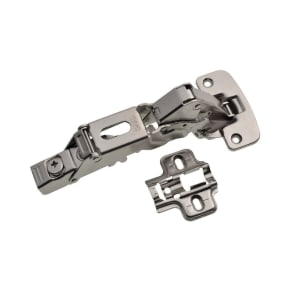
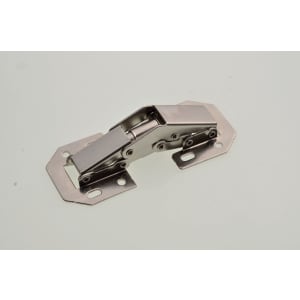
The essential companion to every door, discover our range of door hinges, available in a range of finishes, materials and quantities. Whether you're installing a new door or replacing existing hinges, we stock ball bearing, tee, butt and cabinet hinges, amongst others.
Find Out More
Choose from a variety of hinge styles, including ball bearing, tee, butt and cabinet hinges, each offering unique benefits and suitability for different door types and configurations. From standard to heavy-duty options, our door hinges are designed to meet the demands of any application.
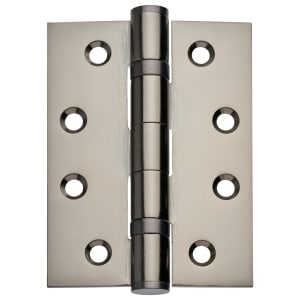
You can find brass, chrome and satin nickel amongst other finishes in our collection, so you can easily match your hinges to the rest of your door hardware for a cohesive look throughout your home.
FAQs
How to fit door hinges
To fit door hinges, first, mark the hinge positions on the door and frame. Then, use a chisel to create recesses for the hinges. Next, attach the hinges to the door and frame using screws. Finally, test the door to ensure smooth operation. If you’re hanging new doors, read our guide on how to install an internal door.
What type of hinge do I need for my door?
The type of hinge you need depends on factors like the door's weight, size and intended usage. For standard interior doors, a butt hinge is commonly used. For heavier or exterior doors, a heavy-duty or ball bearing hinge may be required to ensure smooth operation and long-term durability.
How many hinges does a door need?
A door typically requires two or three hinges for proper support and stability. The exact number depends on the door's size, weight, and usage. Heavier or taller doors may benefit from three hinges to distribute the weight evenly and prevent sagging over time.
Which side of a hinge goes on a door?
Hinges don’t have a specific ‘door side’, especially on standard butt hinges – just ensure it’s vertical and on the outside of an outward opening door. Usually, one leaf of the hinge attaches to the edge of the door, and then the other goes onto the door frame.
Are interior door hinges universal?
Yes, most door hinges for internal doors are universal and can be used on most door materials.
Where do you place door hinges?
As a guide, you should install your door hinges as follows:
Top hinge: About 150 mm from the top of the door to the top of the hinge.
Bottom hinge: About 250 mm from the bottom of the door to the bottom of the hinge.
Middle hinge: Centred between the top and bottom hinges.
How do ball bearing hinges work?
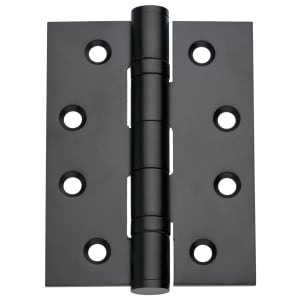
Ball bearing hinges have small steel ball bearings between the knuckles on the hinge surrounding the pin. This is so the hinge stays put when the door opens and closes, it leaves rotate around the pin, and as the bearings roll, metal on metal friction is reduced for a smooth, supportive hinge solution.
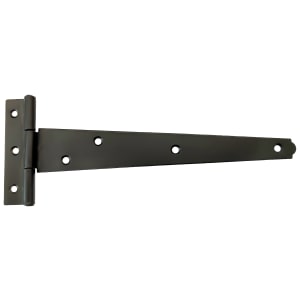
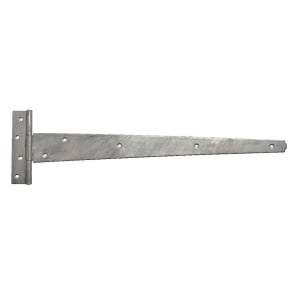
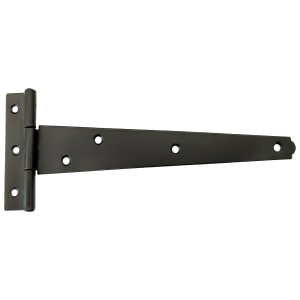
How to measure tee hinges
To measure tee hinges effectively, you’ll want to measure the strap length which is from the centre of the hinge pin to the tip of the long strap, and the band width which is the width of the long strap at its widest point. The strap width is vital as it determines how it looks and load bearing capacity.
What are butt hinges?
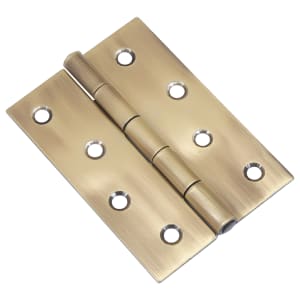
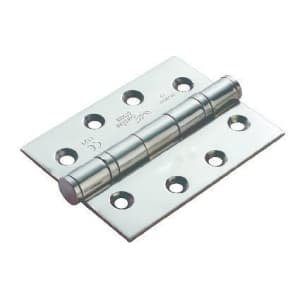
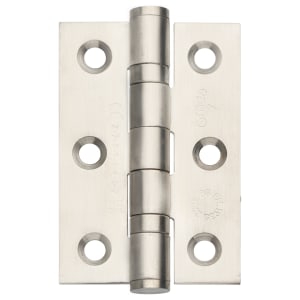
Butt hinges are the most common type of hinge, and they consist of two flat metal plates (the leaves), which are joined together by a central pin (knuckle).
How to repair kitchen cabinet hinges
Sometimes all you need to do is tighten any loose screws. If the screw holes are stripped, you should fill these in with wood glue or by using a repair plug. You can also adjust the hinge screws for realignment purposes, but if the hinge appears broken, bent or worn out, we recommend you replace it with the same type of hinge.
How to measure cabinet hinges
The best way to measure cabinet hinges is to measure the height and width of when it’s closed and then identify the type of hinge it is (concealed or surface-mounted). Concealed hinges require you to then measure the cup diameter, cup depth, overlay and the distance between screw holes. If these are an exact match, replacement hinges will fit perfectly.