Electrical Cable
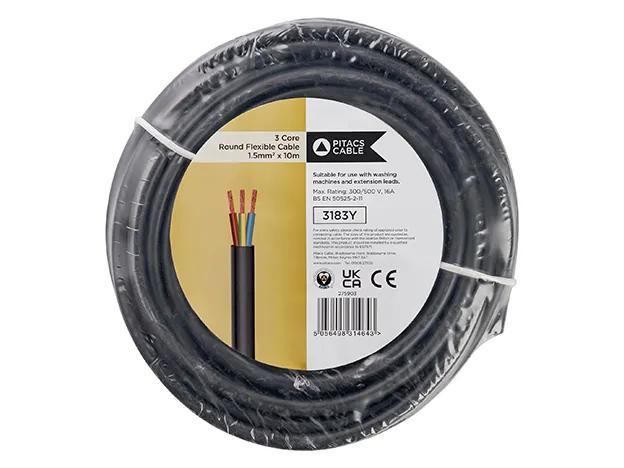
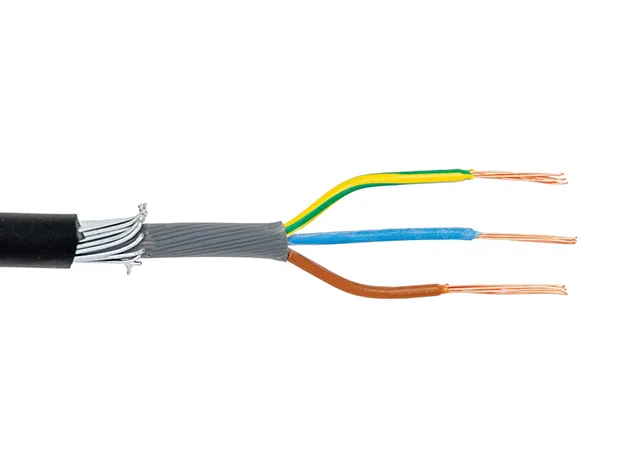
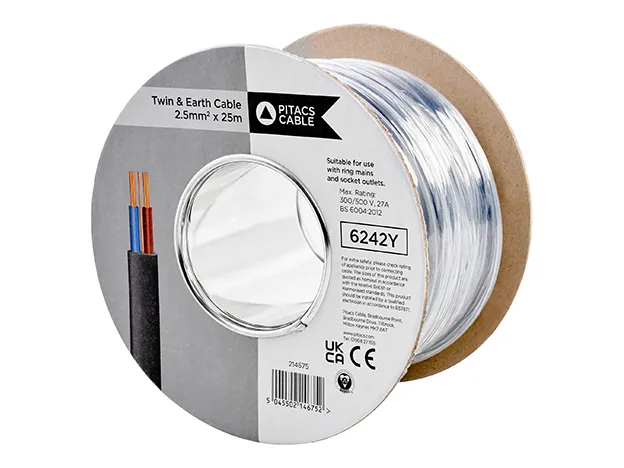
Find Out More
Selecting the right electrical cable is essential for meeting UK Building Regulations and ensuring electrical safety throughout your property. Depending on your installation environment and current load, different cables offer specific insulation, conductor sizes, and core configurations.
You might need wiring for general household circuits, flexible electrical connection cables for everyday appliances, or heavy-duty electric cables designed for harsher environments, and choosing the right specification ensures long-lasting performance and best value for your money.
For a complete set up, pair your cables with our wide selection of electrical accessories, management tools and protective fittings.
FAQs
How do I dispose of cables?
As cables contain recyclable copper and plastic insulation, they must be disposed of in a specific way. Bring them to your local household waste recycling centre and place them in the dedicated WEEE (Waste Electrical and Electronic Equipment) or small electrical appliance bin. Many local shops also offer WEEE takeaway scheme drop-offs for old wires.
Can cables go in general waste?
No, electrical cables should not be placed in your household wheelie bin or general waste. Cables contain valuable materials such as copper and aluminium as well as synthetic PVC sheaths that take centuries to break down in landfill. Recycling old cables ensures metals are recovered, reduces environmental waste, and adheres to UK WEEE regulations.
Are cables and wires the same thing?
People often use the terms interchangeably, but there are a few differences between cables and wires. A wire is a single conductor (usually copper) that carries electricity, which may be insulated or bare. A cable is two or more insulated wires encased together inside a single protective outer casing or sheath.
Can electrical cables run next to water pipes?
Yes, electrical cables can run near water pipes, but strict safety clearances must be maintained under UK Wiring Regulations. For instance, cables should be kept at least 25mm away from cold water pipes and 150mm away from hot water or heating pipes to prevent thermal damage to the cable sheath, condensation risks, or accidental damage during plumbing work.
Can you cement over electric cables?
Concrete and cement shouldn’t be poured over unprotected electric cables as chemicals in wet concrete can degrade PVC cable sheaths over time. Always run electrical cables inside protective conduit, trunking, or capping prior to laying screed or cement.