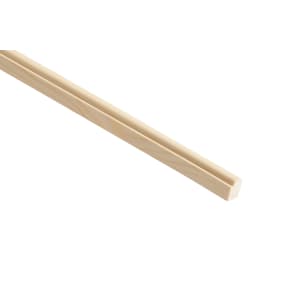
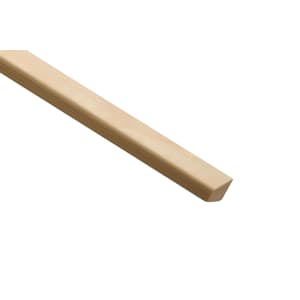
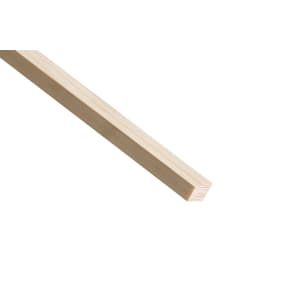
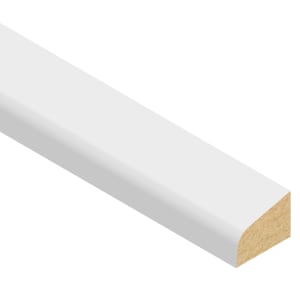
10 for £62
12 for £54
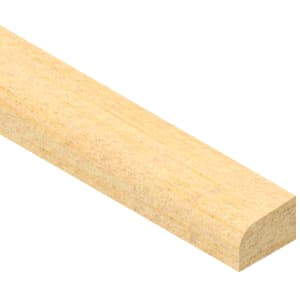

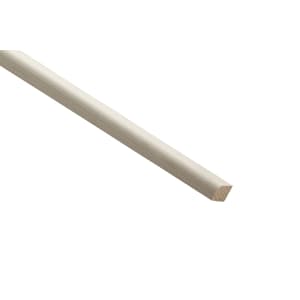
Our wooden beading is designed to hide gaps, improve the durability of wooden components, and create a polished look to enhance the results of any project. Whether you’re looking for wall or floor beading, our selection is versatile, prolonging the lifespan of many interior projects.
In order to achieve an angled cut for beading around corners, you’ll need a mitre box or mitre saw for a 45-degree angle. For both internal and external corners, cut two matching pieces so they fit snug together to form a 90-degree corner. You’ll then want to measure carefully and test the fit before fixing the beading down.
For the most seamless finish, we recommend beading that matches the shade of your wooden floor, or as closely as possible. For instance, light oak flooring pairs nicely with light oak beading. If this isn’t possible, try matching the beading to your skirting boards for a traditional finish and subtle contrast against your flooring.
Not always. Beading is only usually used to cover the expansion gap which forms around the edges of laminate flooring for a clean and neat result. If you remove or refit your skirting boards once they’ve been installed, skirting can hide the same gap, meaning beading isn’t necessary.
All you need to do is to remove door beading is score the edges using a sharp knife to break caulk or paint seals, insert a fly pry bar or scraper from one end behind the beading, ease it away gently, working along the length to prevent splitting, and pull out any nails with pliers if necessary.