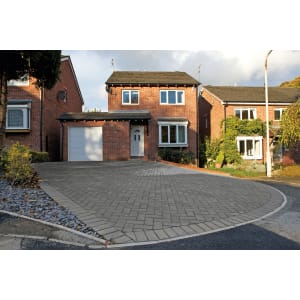
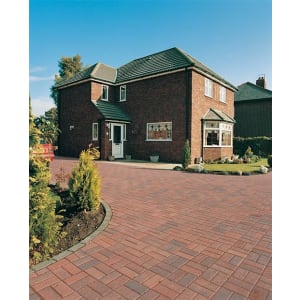
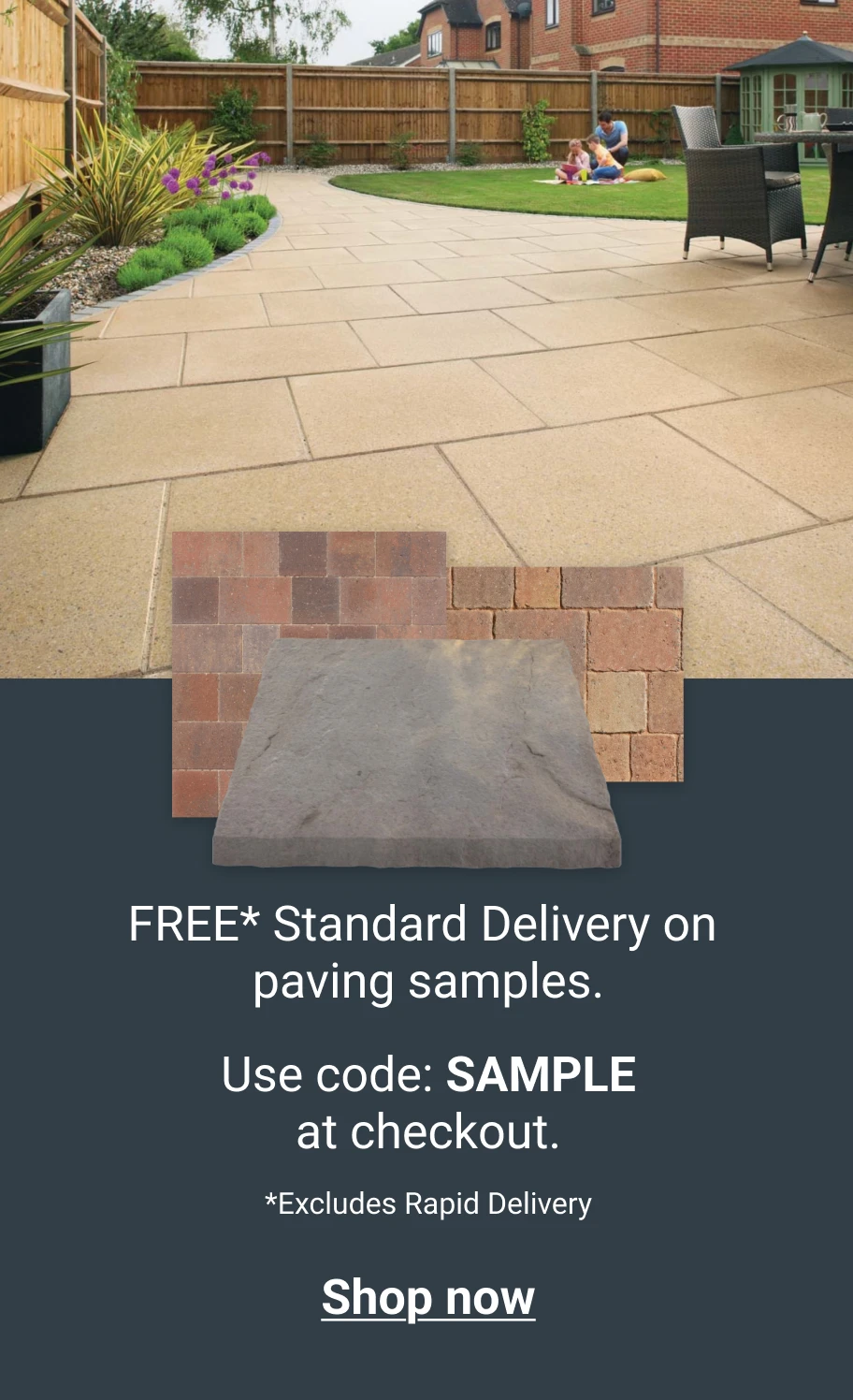
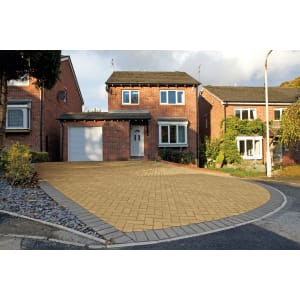
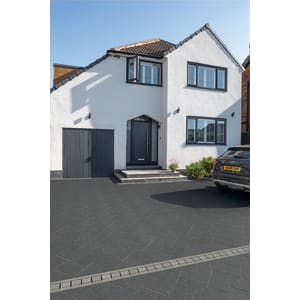
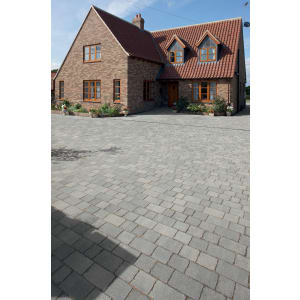
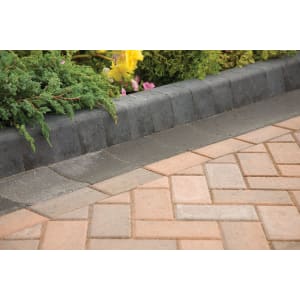
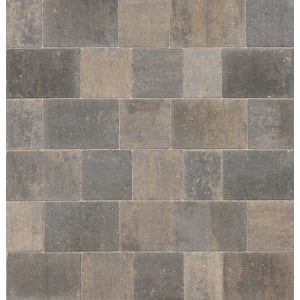
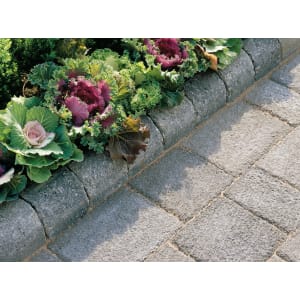
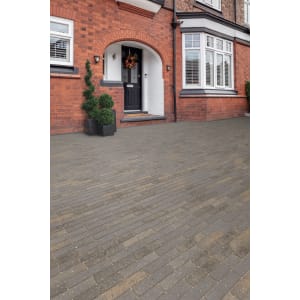
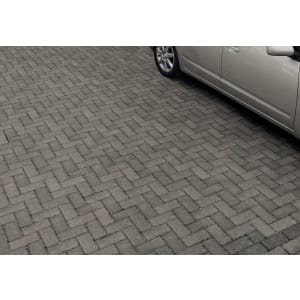
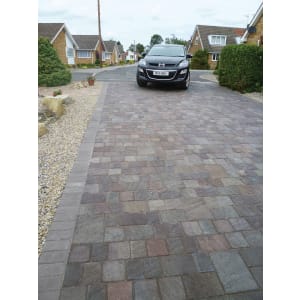
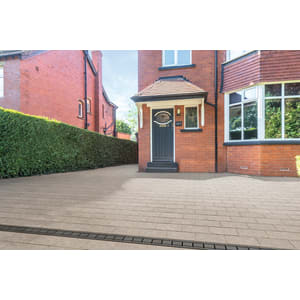
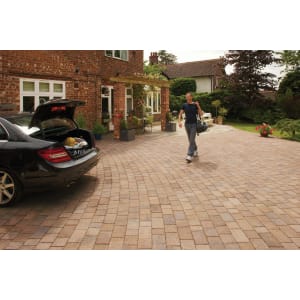
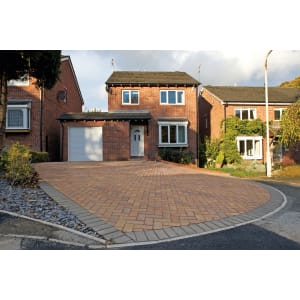
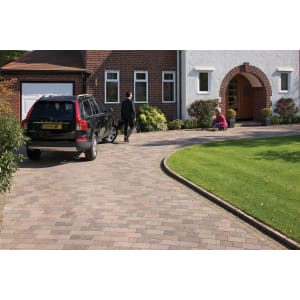
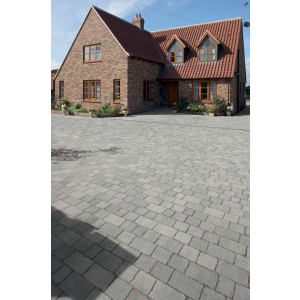
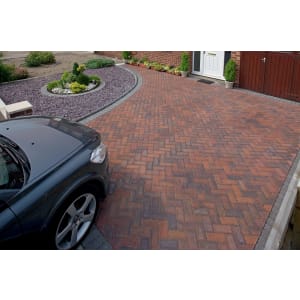
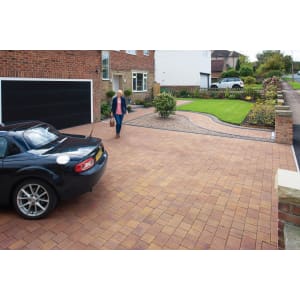
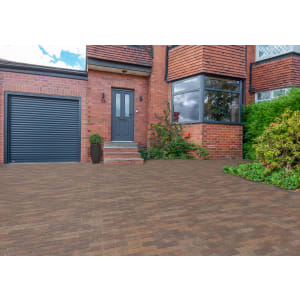
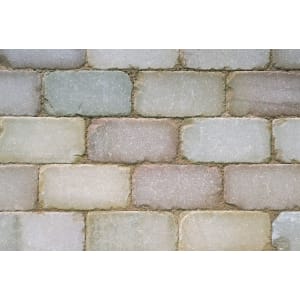
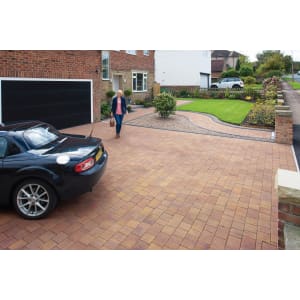
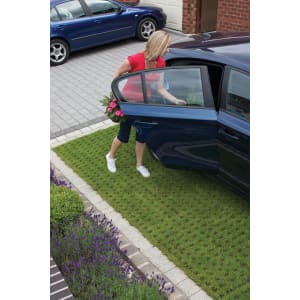
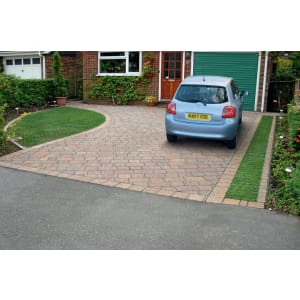
Block paving offers a practical and stylish way to shape your outdoor space. Stone paving provides a durable surface for driveways, patios, pathways and seating areas, available in a variety of colours and finishes to suit traditional and contemporary gardens alike. These concrete paving slabs are the answer to welcoming entranceways, offering a clean and professional finish.
Looking for a cost effective alternative? Check out our garden decking range.
To understand material quantity, check out our paving calculator so you can save money and reduce waste.
FAQs
What is block paving?
Block paving refers to a type of robust landscaping that's made up of individual blocks, often made out of concrete or clay. They're laid together to create a stable and durable surface, ideal for patios, driveways, paths and other outdoor spaces.
How to clean block paving
Remove any loose dirt or debris using a hard brush, before pressure washing the surface or using the stiff brush with warm water and a paving cleaner to properly scrub the surface. If you come across stubborn areas or stains like oil, opt for a specialist paving or degreasing solution. Never put your pressure washer on a high pressure as you could impact the performance of the jointing sand.
What sand for block paving?
Kiln-dried sand is commonly opted for when filling joints between block paving due to its fine, dry nature, which helps it to settle into the gaps and lock each block together. When bedding the blocks, we recommend a sharp sand or a specialist bedding material.
Is block paving permeable?
Sometimes yes, but not always. Specific permeable paving systems state they're made using permeable blocks against a compatible subbase that allows for improved drainage. However, standard block paving systems usually rely on falls and drainage channels instead.
How to seal block paving
Firstly, clean the paving, ensuring it's completely dry before you begin sealing. Then remove weeds and add jointing sand to any gaps before you apply a block paving sealer suitable for the area. You should do this using a roller, brush or sprayer, which is specified in the manufacturer's instructions. Once applied, wait for it to fully cure before you allow any traffic on the paving.
Can you lay block paving on sand and cement?
Usually, it's not recommended to lay block paving directly on top of a standard sand and cement mix. Instead, ensure it's laid on a properly prepared, compacted sub base with a proper bedding layer. For specific applications, a bound or mortar-based installation may be suitable, but it all depends on the paving system and how you wish to use it.
How to stop sand washing out of block paving
Opt for kiln-dried jointing sand, ensuring the joints are thoroughly filled and compacted. With a quality installation and good drainage, water is less likely to wash the sand away. You can also seal the paving for added protection, but you should regularly inspect the paving and top up the joints when necessary.