Trade Timber Supplies
Find Out More
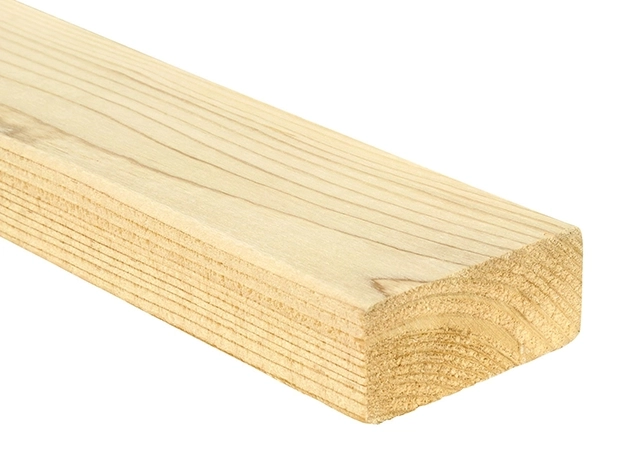
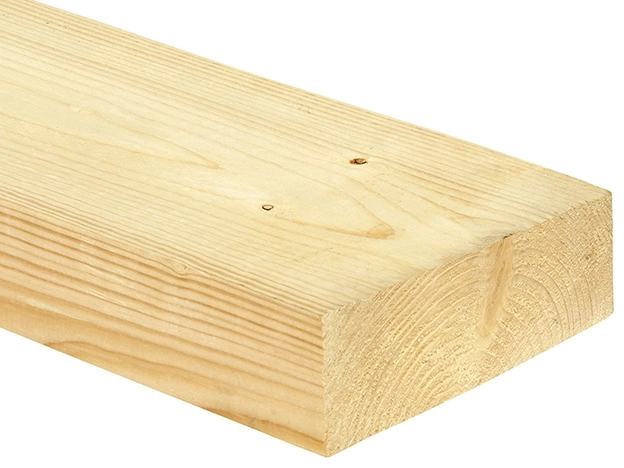
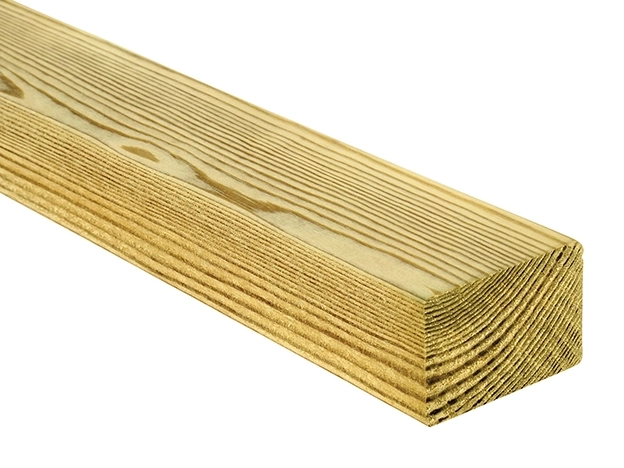
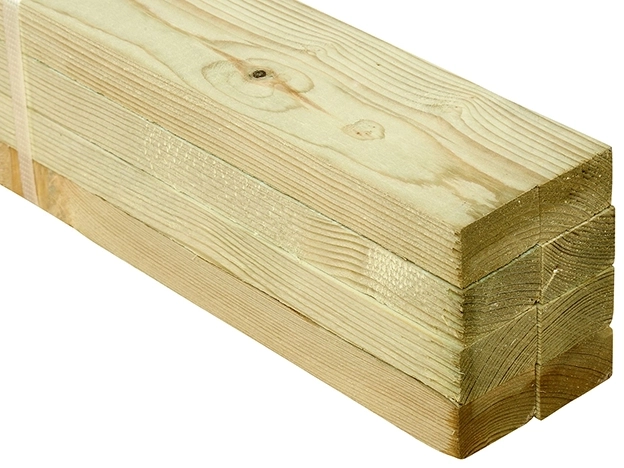
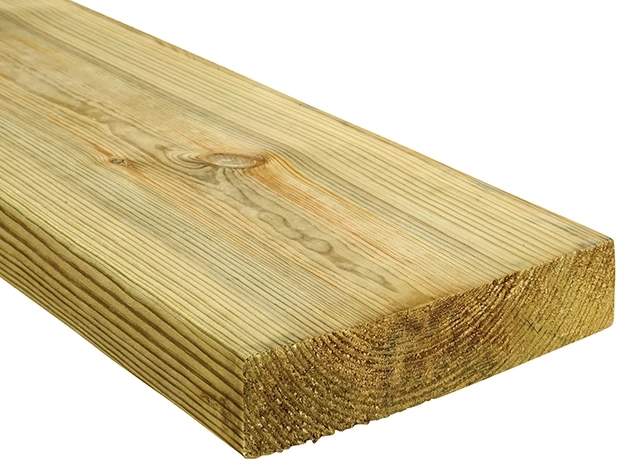
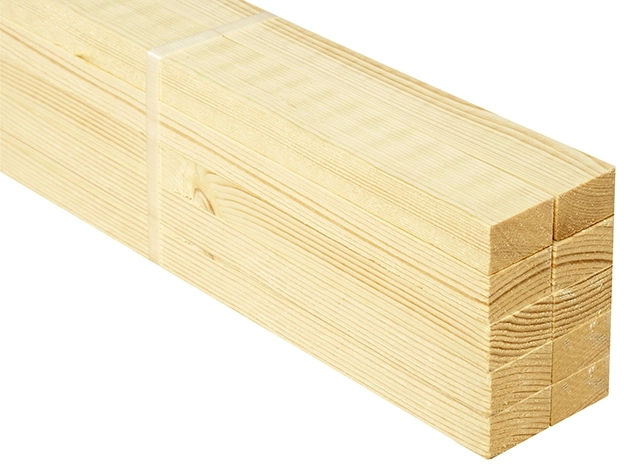
Selecting the right trade timber supply is key. At Wickes we provide builders, carpenters, and tradespeople with premium timber engineered specifically for structural framing, roofing, flooring and general construction projects.
Choosing the right timber grade depends on your structural load requirements. Kiln-dried C16 timber is the reliable industry standard for general internal stud wall partitions, framing, and standard floor or roof joists.
For projects requiring wider spans or heavier load capacities, C24 kiln-dried timber delivers the best strength with higher wood density and fewer knots.
FAQs
Should tradespeople use softwood or hardwood for structural building?
For structural construction, framing, and stud walls, softwood (such as kiln-dried pine) is the standard choice for trade professionals. Softwoods offer a great strength-to-weight ratio, are easy to saw, nail and screw on site, and provide cost-effective performance for structural joints and CLS studwork.
Hardwood is denser and more durable, making it ideal for high-wear internal joinery, decorative mouldings, and premium furniture, but its substantially heavier and more expensive for general building tasks.
What does CLS timber mean and when should I use it?
CLS stands for Canadian Lumber Stock. It’s softwood timber that has been planed with smooth, rounded corners and a uniform finish. CLS timber is primarily designed for creating internal timber frame stud walls and partitions because it's clean to handle, easy to fit, and minimises splinters on site.
What is the difference between C16 and C24 structural timber?
C16 and C24 refer to the strength/stress grades of the timber. C16 timber is the standard grade used for internal framing, wall studs and standard floor or roof joints. C24 timber is stronger, denser and has fewer knot, ideal for heavier loads, longer spans, or high-specification structural work where extra load-bearing capacity is required.
Sustainable timber options for builders
Our trade timber range is responsibly sourced from sustainably managed forests certified by recognised environmental organisations such as the FSC (Forest Stewardship Council) or PEFC (Programme for the Endorsement of Forest Certification).