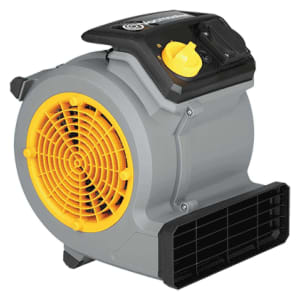
£59
Excluding delivery
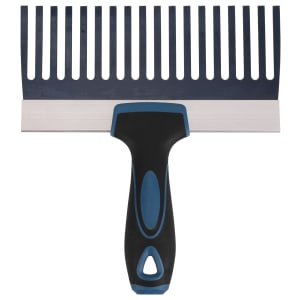
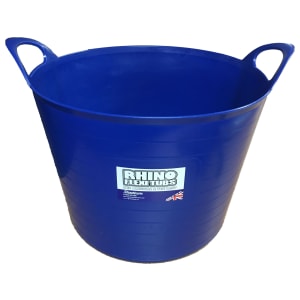
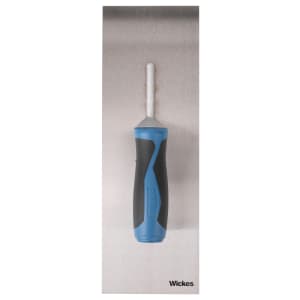
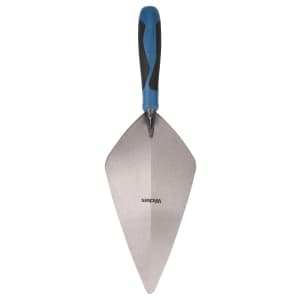
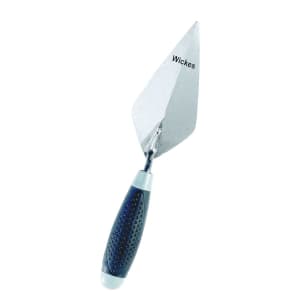
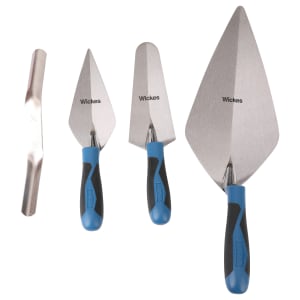
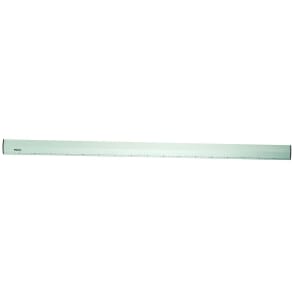
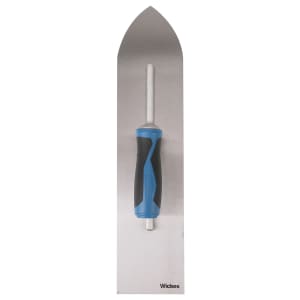
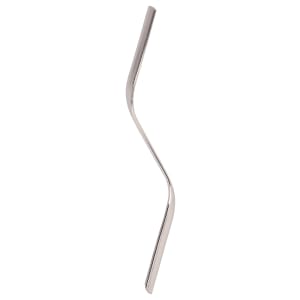

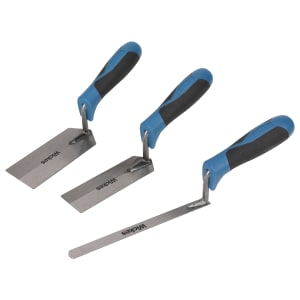
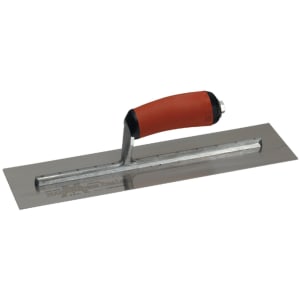
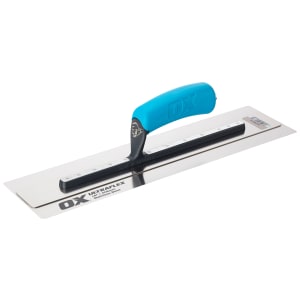
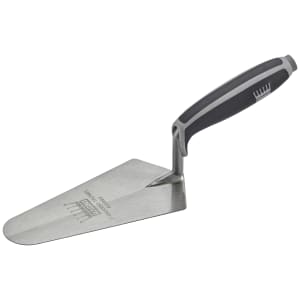
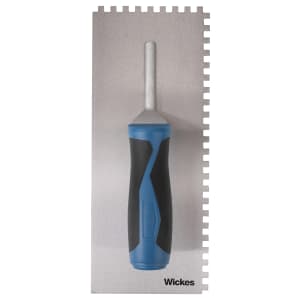

Master professional-looking results in every project using our plastering tools. These essential items are designed to achieve smooth skims, fast drying times and accuracy in every application. Explore our full range and inject efficiency and convenience into every plastering job you take on.
Excluding delivery
Whether a quality plastering trowel or quick drying fan, plastering tools are a solid investment. Ensure seamless application and a flawless finish with essential items that allow for consistency and neatness. Whether you’re a DIYer taking on their first plaster project or a tradesperson, these tools turn a messy and complex job into a quicker, cleaner and more satisfying one.
Discover our range of plastering adhesives for polished results, every time.
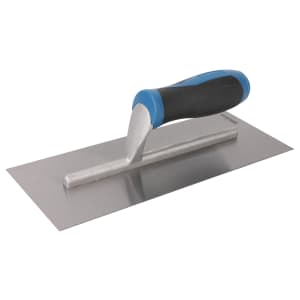
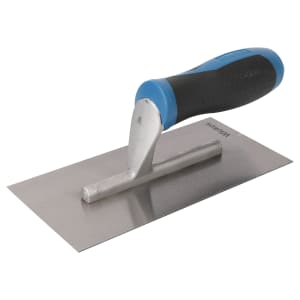
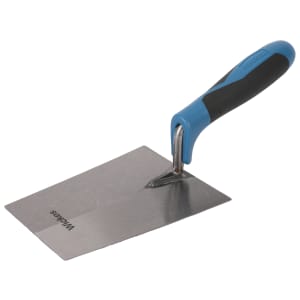
The best way to break in a plastering trowel is to lightly sand down sharp edges and corners with fine sandpaper, rounding them off nicely. You should then just use the trowel regularly, whether on plaster itself or by running it over a clean concrete surface to polish it up. The edges will gradually become smoother, reducing any drag and helping you achieve neat results.
All you need to do is rinse the trowel immediately after each use using clean water, ridding of any wet plaster. Then you should wipe the blade with a sponge or cloth. If the plaster has dried, gently scrape it off using fine abrasive paper if necessary. Finish off by drying the trowel properly and apply a light coat of oil to prevent rust.
You don’t sharpen trowels the same way you do knives. Instead, use fine sandpaper and lightly sand the edges and corners down to remove any nicks, burrs or sharp corners. You should work evenly, and finish by polishing the blade with fine abrasive paper. You want to achieve a rounded edge that glides seamlessly over plaster without leaving marks or lines.