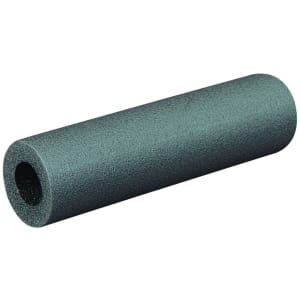
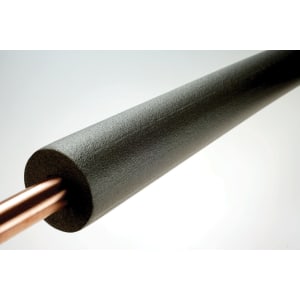
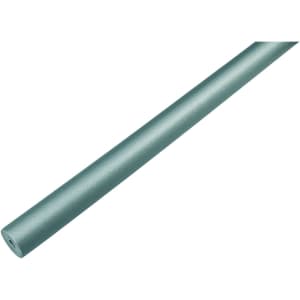
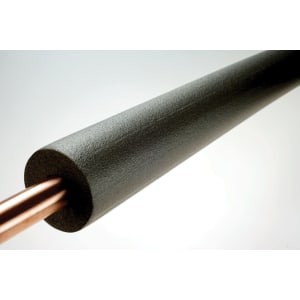

Our pipe insulation and lagging are essential for keeping your pipes working efficiently. From reducing heat loss to protecting against condensation buildup, your piping will last longer through a simple and cost-effective solution.
Our pipe insulation and lagging can help you to save money on energy bills and repairs. Keep your home’s water systems in check by protecting your pipes from the elements with this cost-effective and easy to install solution. Benefits of using these include reducing heat loss, preventing freezing and protecting against condensation.
Pipe insulation refers to insulating solutions specifically for protecting pipes from heat loss or gain, preventing freezing, and reducing condensation. They’re specially designed materials that’ll improve your energy efficiency and protect your pipe system.
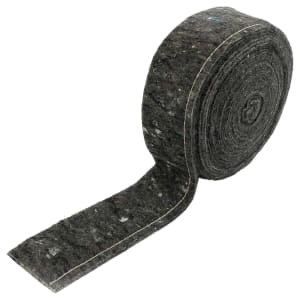
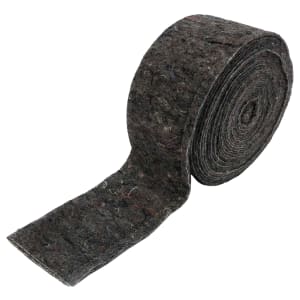
Pipe lagging refers to a type of insulation that wraps around pipes to prevent heat loss and freezing and protect the pipes from condensation.
Absolutely – insulating hot water pipes will keep your water hotter for longer, minimise heat loss, improve efficiency, and reduce the risk of burns from exposed pipes.
Generally, rubber is deemed as higher performing with a longer lifespan, but foam still does a good job and is often more affordable for domestic pipes.
No, modern pipe lagging doesn’t contain asbestos. However, insulation from before the 1980s occasionally did, especially when lagging heating pipes, boilers or industrial applications. If you’re concerned your lagging contains asbestos, you shouldn’t disturb it, and instead, get it checked by a qualified surveyor.
Yes, and it’s recommended you do this regularly to reduce freezing risk, which is a common cause of boiler breakages in the winter.
No, it’s not necessary to lag your external gas pipes as they don’t contain water, so they won’t freeze up. Keeping them exposed potentially allows for damage and corrosion inspection.
Yes, especially if they’re plastic water pipes. While it’s not a material that rusts, the water inside a plastic pipe can freeze up, potentially causing a blockage or burst pipe.
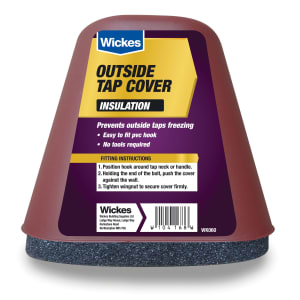
Insulating exterior pipes is quick and easy, all you need to do is wrap them in foam pipe insulation or lagging, before securing them with weatherproof tape. If you’d like extra peace of mind, use a waterproof pipe cover over the top to banish moisture buildup and freezing temperatures.
While it’s possible to use loft insulation on your pipes, it’s best to use specialised pipe insulation to ensure its properly protected against extremely low temperatures.
Yes, you can insulate gas pipes but it’s best to consult a professional and check with your local regulation's prior to installing for safety purposes. For reference, insulating gas pipes requires using non-combustible materials like mineral wool to ensure maximum safety.