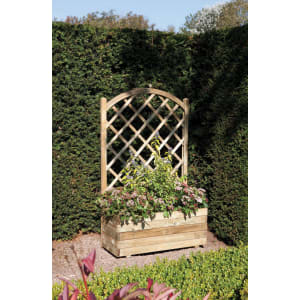
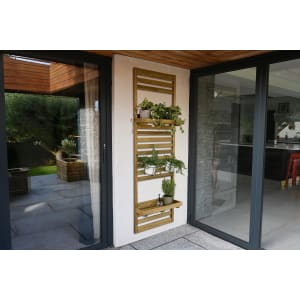
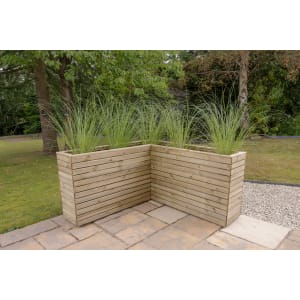
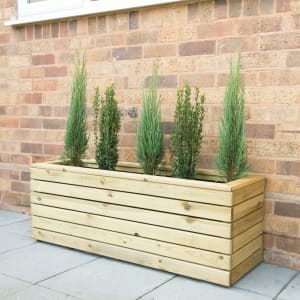
Planters
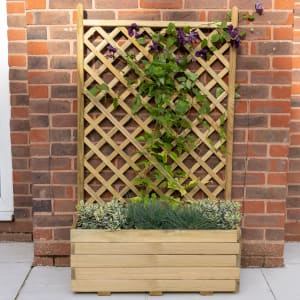
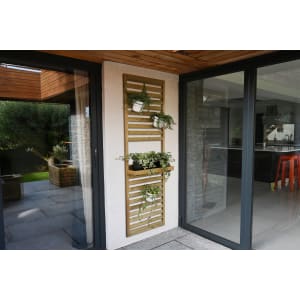
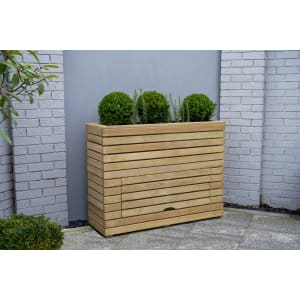
Bring your outdoor space to life with a garden planter from our range. Perfectly designed to help you create beautiful displays all year round, our outdoor planters are perfect for patios, balconies, doorways, and garden beds, adding pops of colour and personality to your space. With a range of shapes and sizes to choose from, we have something that will suit every style of garden.
Find Out More
Whether you’re after a smaller size for herbs and flowers, or large planters for shrubs and small trees, we have something that will suit your needs. Choose from styles that are modern in design to more classic styles that blend naturally into traditional outdoor settings. Built for everyday outdoor use, our wooden planters are made to support healthy plant growth no matter the weather. Perfect if you’re refreshing a small part of your garden or going through a whole landscaping project, our planters make it easy to grow your favourite plants in style.
FAQs:
What is a planter?
A planter is a container designed for growing plants, flowers, herbs, or small shrubs in your outdoor space.
How do you build a raised planter bed?
- Start by choosing the right spot in your garden. Most plants need a spot with good sunlight and fairly level ground. Clear the area of weeds, grass, and debris before you begin.
- Decide on the size and shape you want your bed to be.
- For the frame you’ll need to use weather-resistant timber and cut it to size.
- Assemble the sides using screws and corner brackets to make sure everything is level and securely fixed.
- Once you’ve built the frame, place it in position and add a layer of weed membrane at the base to stop weeds growing up.
- Fill the bed with a mix of topsoil and compost before levelling it out. Now you’re ready to plant.
For a more thorough run through, check out our guide on how to build a planter box.
How to line a planter
- Make sure your planter is clean and dry, then choose a suitable lining material.
- Cut the liner to size and staple or tack it nearly to the inside walls, making sure it covers the base and sides but doesn’t block drainage holes completely.
- If your planter has drainage holes, it’s important to create drainage points in the liner by cutting small slits or holes in the same places to allows excess water to escape while still protecting the structure of the planter.
- Once lined, fill your planter with good-quality compost and it’s ready for planting.