






£12
Excluding delivery

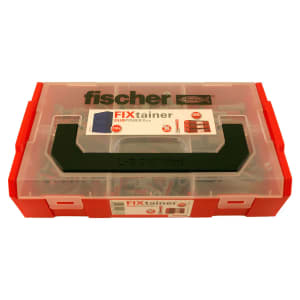

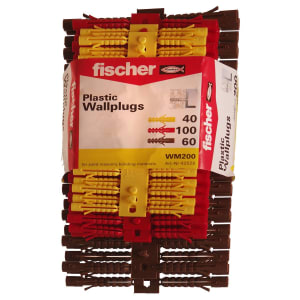
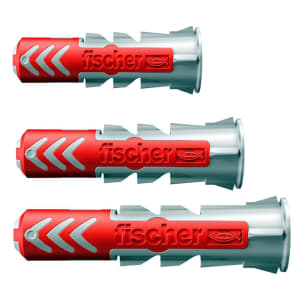

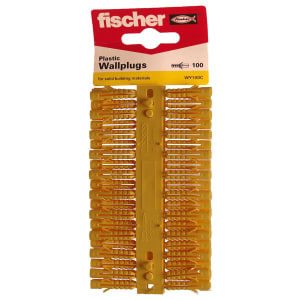

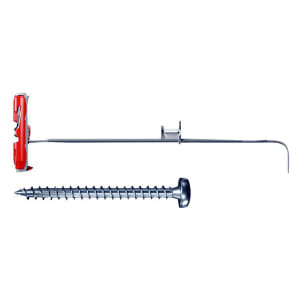
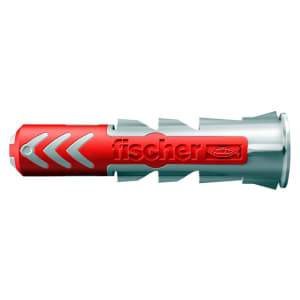
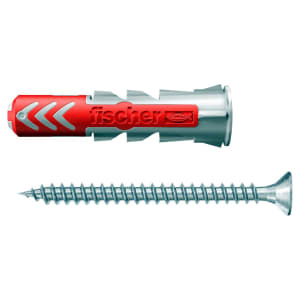


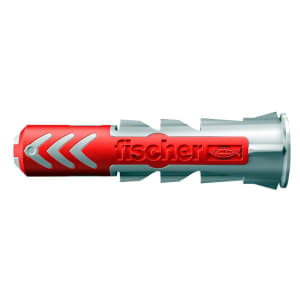
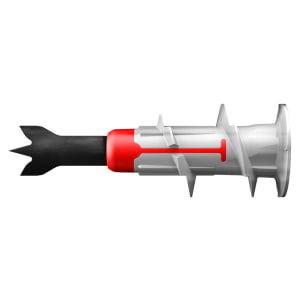
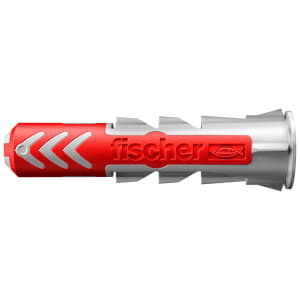
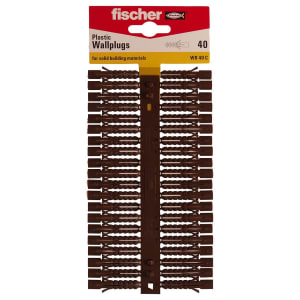
Choose wall plugs for bolstering materials like plaster, concrete and brick, creating a strong anchor point for screws. Wall plug sockets work by gripping inside a drilled hole when a standalone screw isn’t suitable for direct insertion due to the weakness of the material. They prevent screws from loosening or pulling out, making for a stable fastening.
Excluding delivery
Ensure shelving, brackets, and fittings remain secure when installed on materials like plaster and brick with our wall plug collection. By creating an ‘anchor’ within a drilled hole, you’re given peace of mind that mounted loads are stable and secure. Say goodbye to wobbly fixes and hello to solid, professional results.
Putting a wall plug in is simple. All you need to do is drill your hole, using the correct size drill bit for the plug, clear away the dust, tap the wall plug until it sits flush with the surface (use a hammer if necessary), and inset the screw into the plug and tighten. The plug will then expand and grip inside the material.
What size drill bit you choose depends on wall plug sizes and types:
They expand inside a drilled hole, gripping the surrounding material, whether plaster or cement, for a stable and secure fixing. Then when a screw is inserted, the plug widens, creating friction against the material for a much stronger fix compared to a standalone screw.
All you need to do is match the drill bit to the plug’s outer diameter, not the screw itself. You can find this measurement by checking the plug’s packaging which will state a size like ‘6mm plug’. Then, choose a drill bit of the same size for a snug fit as opposed to being loose or overly tight.
It’s possible to cut a plastic wall plug, but this can impact how well it grips as plugs are designed to expand along their full length once a screw is inserted. With a cut, it may lose strength, fail once load bearing, or spin in the hole.