Cable Trunking & Conduit
Find Out More
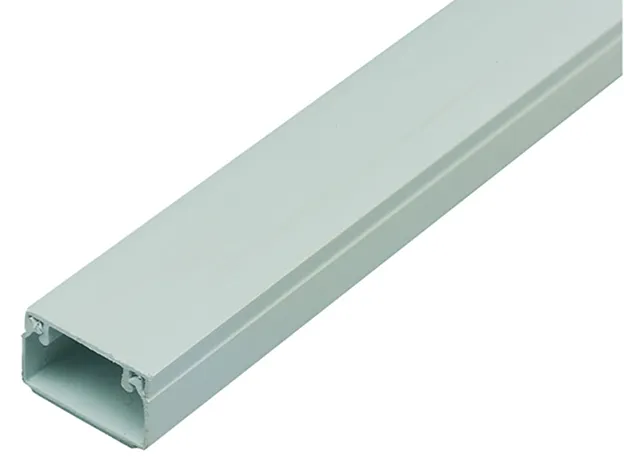
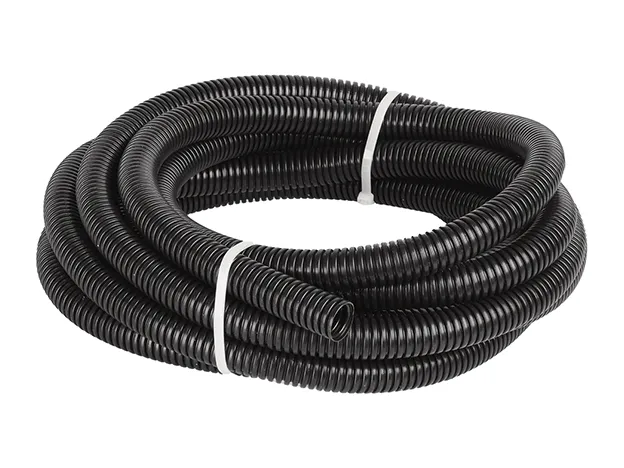
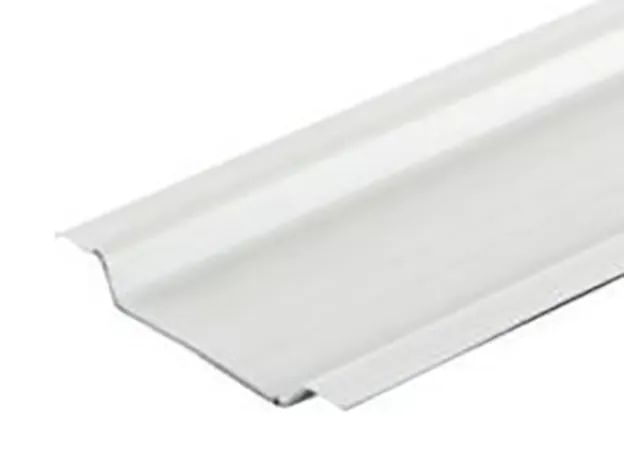
Our range of cable trunking and conduit is the ideal solution for improving safety, simplifying maintenance and reducing cable damage. Providing a clean, neat finish, these casings will save you time and potential repairs, all while keeping your space looking presentable.
FAQs
What is a conduit?
A conduit is a protective tube that shields electrical cables and wiring. Wires are protected against dust, heat, impact, moisture, and general wear and tear. They tend to be made out of PVC or metal.
How do you bend electrical conduit?
This depends on the material of the electrical conduit. If metal, you should use a manual, hydraulic, or powered bender. And if PVC, you can always try a heat gun or bending spring so the conduit becomes flexible, and then you can bend it by hand.
How do you cut PVC conduit?
Cutting PVC conduit is easy. We recommend you use a power saw, PVC pipe cutter or a hacksaw, depending on its size and the finish you desire.
How do you fit cable trunking?
To fit cable trunking, all you need to do is fix the trunking base to the wall or surface adjacent to the cabling, lay the cables inside, and then simply clip the lid on to conceal and protect the wiring. Make sure to always check the instructions of your trunking in case this differs.
Can you paint cable trunking?
Yes, it’s possible to paint trunking so that it flows into your wall colour or surface material. PVC is especially easy to paint with the right preparation like cleaning, lightly sanding and plastic primer.
Do cables have to be in trunking?
Not necessarily. However, exposed cabling can be an eyesore if not hidden, which is why plastic trunking is popular for a clean, organised aesthetic.