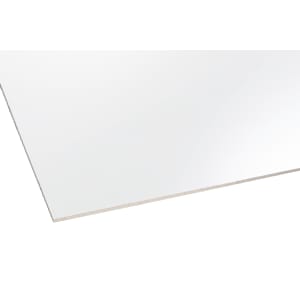
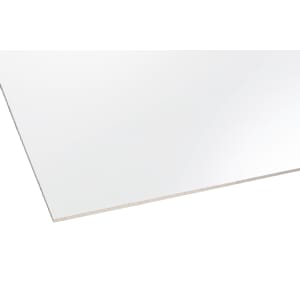



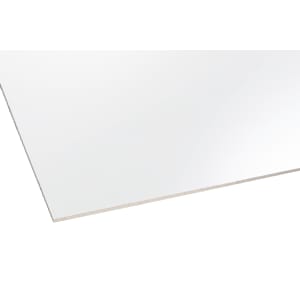

Acrylic sheets are versatile and durable alternatives to glass, perfect for a wide range of projects. Whether you're designing custom displays, building partitions or enhancing your home, these sheets offer clarity and impact resistance. Browse our selection of acrylic sheets and enjoy the perfect blend of functionality and style for your home or workspace..
Clear acrylic sheets can be used for a range of building or DIY projects. Whether for short term use on exhibition stands or as a replacement for glass windows, acrylic panels are highly versatile and durable. They’re also often used to create interior partitions and dividers in commercial spaces, offices, and residential settings to provide separation while allowing light to pass through, creating an open and airy atmosphere.
Acrylic sheets are commonly used for shower enclosures and bath panels in the home too. They offer clarity and good impact resistance, and they’re easy to clean, making them an ideal alternative to glass. Essentially, most projects where glass might be your first consideration, Perspex sheet materials will likely do the same job but more affordably and with an easier installation.
Yes, acrylic is a type of plastic. Specifically, it belongs to the family of thermoplastics, which means it can be softened by heating and hardened by cooling repeatedly without undergoing significant chemical change. Acrylic is also known by its chemical name, polymethyl methacrylate (PMMA), and is commonly referred to as acrylic glass or plexiglass. It’s widely used due to its transparency, durability, lightweight nature, and versatility in various applications.
Cutting acrylic sheets can be done using several methods, depending on the tools available and the precision required. Here are some common methods:
Whichever method you choose, it's essential to wear appropriate safety gear, such as safety glasses and gloves, and work in a well-ventilated area to avoid inhaling fumes generated during cutting. Additionally, practice on scrap pieces of acrylic before cutting your final piece to ensure accuracy and minimise mistakes.
Acrylic sheets aren’t as flexible as some other plastic materials like PVC (Polyvinyl Chloride) or certain types of polyethylene. However, they do have a degree of flexibility compared to glass. The flexibility of acrylic sheets can vary depending on factors such as thickness and temperature. Generally, thinner acrylic sheets tend to be more flexible than thicker ones. Acrylic sheets also become more pliable when heated, allowing for easier bending and shaping.
Yes, you can drill acrylic sheets, but you should ensure you use a drill bit specifically designed for drilling plastics or acrylic. Avoid using standard metal drill bits as they can cause cracking or chipping. The most suitable drill bit for drilling acrylic is a twist drill bit with a sharp, pointed tip and high-speed steel (HSS) construction. These drill bits are often referred to as acrylic drill bits, plastic drill bits, or multipurpose drill bits.
Yes, but it’s recommended you use fine-grit sandpaper and light pressure to ensure you don’t scratch or overheat the surface. Wet sanding is also good for a smooth finish, especially around cut edges.
